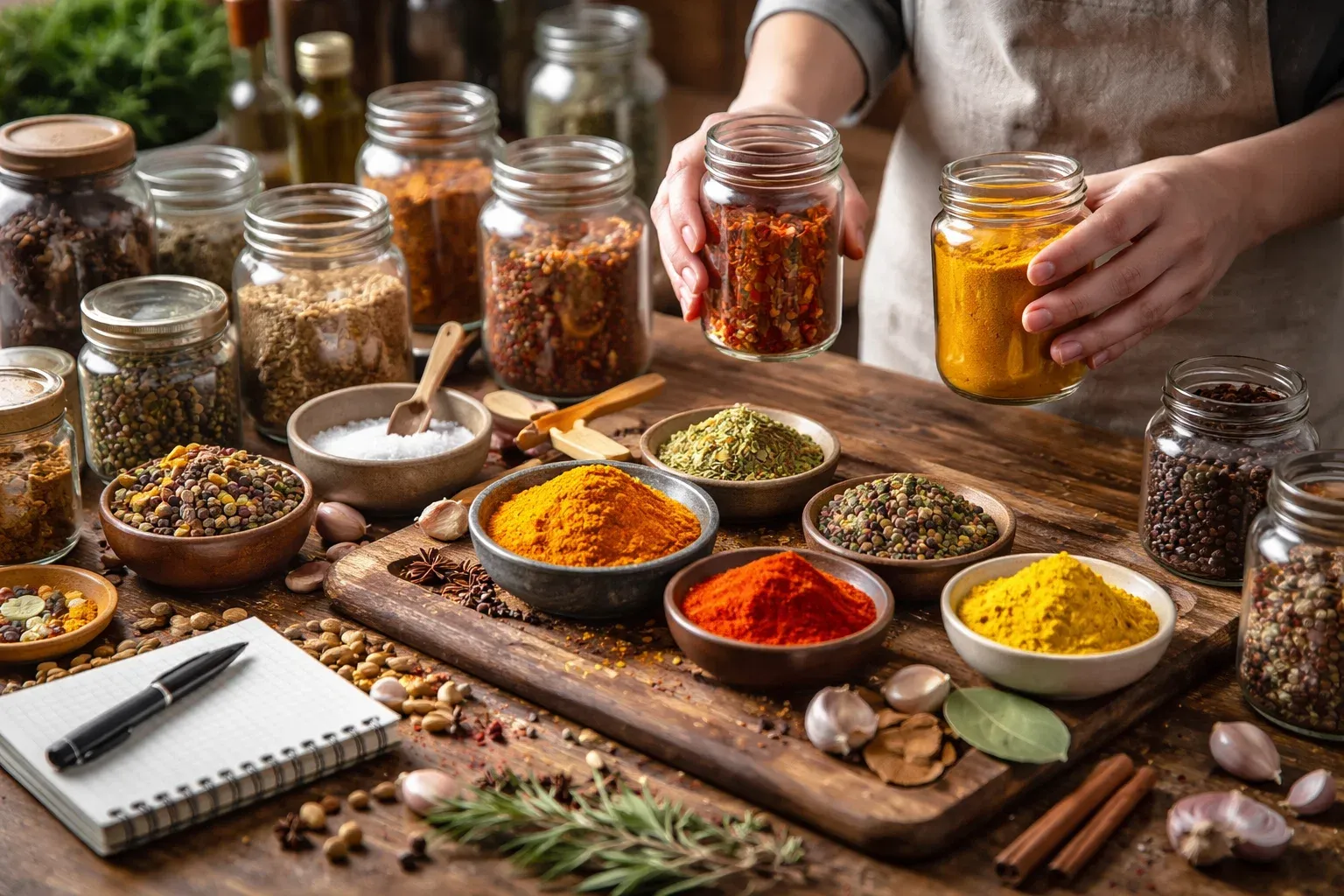
Spices are the unsung heroes of every kitchen. A well-stocked spice rack is the key to transforming simple ingredients into mouthwatering meals. But like any investment, your spice portfolio needs regular maintenance and rebalancing to ensure your seasonings remain fresh and flavorful.
Spices, while powerful, have a shelf life. Over time, they lose their potency, and if you aren’t careful, your favorite herbs and spices might fail to add the kick you expect. Just like you review your financial portfolio to ensure it's performing at its best, it’s important to do the same with your spice collection.
In this blog, we’ll explore when to refresh your seasonings, how to keep your spices in tip-top shape, and the best practices for maintaining a balanced and efficient spice portfolio. With a few simple steps, you can make sure your spices are always ready to elevate your cooking.
Why Spice Portfolio Rebalancing Is Important
Just like stocks, bonds, and other assets, spices need to be maintained and refreshed to provide maximum value. When your spices start to lose their aroma and flavor, they stop working their magic in your cooking.
Rebalancing your spice portfolio means checking your existing stock, tossing expired or stale spices, and adding fresh new flavors. Doing this helps maintain the quality of your meals, improves flavor complexity, and ensures your cooking remains exciting. Here are a few key reasons to regularly refresh your seasonings:
1. Flavor Loss Over Time
Spices don’t last forever. The volatile oils responsible for their bold flavors and aromas begin to degrade over time, especially after they’ve been exposed to light, heat, or air. Ground spices lose their potency faster than whole spices. For instance, ground cumin loses its punch much sooner than whole cumin seeds.
2. Health Considerations
Old spices can also have an impact on the nutritional value of your meals. Spices contain antioxidants, vitamins, and minerals, but as they age, these compounds break down, meaning they won't deliver the same health benefits as when they were fresh.
3. Avoiding Clutter
Just like any other part of your kitchen, a cluttered spice rack can be inefficient. With spices that have lost their freshness, you risk adding more clutter than value to your meals. A refreshed spice portfolio ensures that everything in your collection is useful and contributes positively to your cooking.
4. Improved Cooking Efficiency
When you refresh your spices regularly, you ensure that every flavoring you use contributes to your dish in the way you intend. Fresh spices make it easier to cook with confidence, knowing that your meals will be bursting with flavor.
When Should You Refresh Your Spices?
Knowing when to refresh your seasonings can be tricky, as it’s easy to forget about the spices hiding in the back of your cabinet. But just like checking on your financial investments, you need to periodically assess whether your spices are performing well or if they need to be replaced. Here's a guide to help you determine the right time to rebalance your spice collection:
1. Use-by Dates and Shelf Life
Many spices, especially pre-ground ones, have an expiration date on the packaging. While spices don’t go bad the way perishable foods do, they do lose their potency over time. Here's a quick overview of how long spices typically last:
-
Ground Spices (e.g., ground cinnamon, cumin, turmeric): 1-3 years
-
Whole Spices (e.g., cinnamon sticks, cloves, peppercorns): 2-4 years
-
Herbs (e.g., basil, oregano, thyme): 1-3 years
-
Salt and Pepper: Indefinite (though peppercorns and salts do lose flavor eventually)
If you’re keeping spices longer than their recommended shelf life, it’s time for a refresh.
2. Smell and Taste
Spices should smell fragrant and potent. If you can’t smell them or they smell dull and weak, it's a clear sign that they’ve lost their effectiveness. A simple smell test can help determine if it’s time to replace them.
If you have a particular spice that you use often, try a taste test. Add a pinch to a dish and see if the flavor stands out. If it doesn’t, it’s time to look for a fresher batch.
3. Clumping or Discoloration
Ground spices tend to clump or lose their vibrant color as they age. If you notice any discoloration, mold, or a change in texture (like the powder becoming sticky or lumpy), it’s no longer suitable for cooking. Toss it and replace it with a fresh jar.
4. Frequency of Use
The more often you use a spice, the fresher it will stay because it’s regularly exposed to air. However, spices that you only use occasionally—like saffron, sumac, or cardamom—can become stale more easily. If you don’t use a spice regularly but want it fresh when you do need it, consider buying smaller quantities or rotating them more frequently.
How to Maintain a Balanced Spice Portfolio
Now that you know when to refresh your seasonings, let’s discuss how to create and maintain a balanced spice portfolio in your kitchen. Keeping a variety of spices on hand is essential for versatile cooking, but it’s also important to maintain the quality of those spices over time. Here are some steps to help you build and maintain a fresh and balanced spice collection:
1. Keep Your Spices in a Cool, Dark Place
Spices degrade when exposed to light, heat, and moisture. Store your spices in airtight containers away from direct sunlight, such as in a cupboard or drawer. Avoid keeping them next to the stove or under the sink, where they might be exposed to heat or humidity.
2. Buy in Small Quantities
Instead of buying large quantities of spices, purchase smaller amounts more frequently. This way, you’re more likely to use them up before they lose their freshness. Buying in bulk is tempting, but if you only need a tablespoon of a particular spice for a recipe, buying a smaller jar will save you money and keep your seasonings fresher for longer.
3. Use Whole Spices When Possible
Whole spices, like cinnamon sticks, whole peppercorns, and star anise, last longer than ground versions. While grinding whole spices may take a little extra time, the flavor they release is much more intense and fresh. Consider investing in a spice grinder and grinding your spices as needed.
4. Label Your Spices
Spices often look similar, especially when stored in matching jars. Label your spice containers with the purchase date or “best by” date so you can track how long they’ve been sitting in your pantry. This simple step helps prevent you from losing track of which spices are fresh and which ones need replacing.
5. Create a Spice Rotation System
As part of your spice portfolio rebalancing, it’s a good idea to implement a rotation system. Place newer spices in the back of your spice rack and older ones at the front. This ensures that the spices you use most often are the freshest. When you use up a spice, immediately replace it with a new one so you’re always prepared to cook with high-quality ingredients.
6. Try New Spices
A balanced spice portfolio isn’t just about maintaining the ones you have. It’s also about expanding your range and trying new flavors. Over time, explore different spices that can help diversify your cooking, such as smoked paprika, za’atar, or sumac. When you add a new spice, make sure to update your spice portfolio and rotate out older ones to maintain balance.
Signs That It’s Time to Rebalance Your Spice Portfolio
While it’s easy to ignore stale spices sitting in the back of your pantry, there are a few signs to look out for when it’s time to rebalance your spice collection:
-
You’re cooking the same dishes repeatedly: If you find yourself sticking to the same handful of spices, it may be a sign that your collection is too limited or that some spices have gone unused for too long.
-
Your dishes are lacking flavor: If you notice that your meals are tasting bland or not as flavorful as usual, it could be a sign that your spices have lost their potency and need to be replaced.
-
Your spice rack is overcrowded: If your spice rack is packed with containers you rarely use, it's a sign you may need to reevaluate which spices are necessary and get rid of what’s expired.
Conclusion
Your spice portfolio is essential to creating vibrant, flavorful meals. Just like managing your financial investments, your spice collection needs periodic attention and rebalancing to ensure it’s always performing at its best.
By knowing when to refresh your seasonings, storing them correctly, and keeping an organized system in place, you can elevate your cooking without the frustration of stale or expired spices. Regularly reviewing your spices ensures that you’re always ready to experiment, explore new flavors, and enhance your dishes.
A well-maintained spice portfolio can unlock the full potential of your meals, turning simple ingredients into culinary masterpieces. So, take the time to refresh your seasonings and enjoy the vibrant flavors that come with a balanced spice collection.