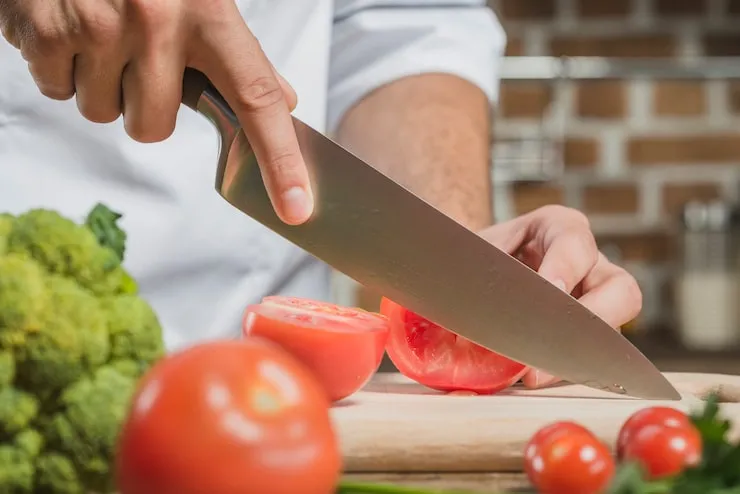
Still, the more dangerous the cutter must be, If people are allowing about shanks used in kitchens They believe in one introductory factor the sharper the cutter is. That sounds reasonable, is not it? Blades that slice through chuck, tomatoes, and indeed carrots with ease could be shocking. Yet, there is an amazing fact that cooks, chefs as well as safety specialists are in agreement on: sharp knives are more secure than dull knives..
It may be a bit odd at first, particularly when you are a child between 10 and 11 years old. Since anything that is can be sharp and could create more harm. However, once you know the workings of knives and why they typically causes them to break it becomes much clearer. Let's look into the reasons why sharp knives are your best friend in the kitchen, and the reason why one that is dull could in fact be a risk.
What Does "Sharp" Really Mean?
A well-made knife features an extremely thin and clean edge. Its edge will slide right into food with one press. Imagine cutting an ripe apple using a new blade. The blade cuts through the apple, like magic. The dull knife however is one with a rough or worn down edge. The knife is not sharp and cuts smoothly.
You must instead push harder and harder in order to force it through the food. It could slip around, turn, or abruptly leap ahead. This difference in smooth cutting as opposed to cutting with a blade that is pushed forward -- is where the safety is an issue.
Less Force Means More Control
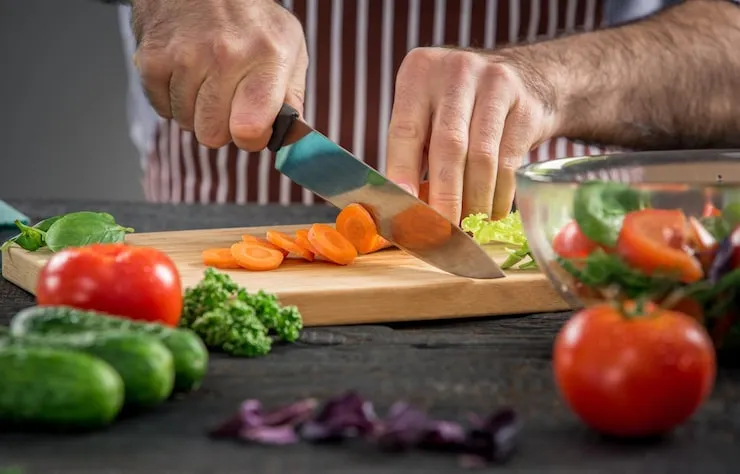
Imagine cutting an onion with the dull blade. The knife is pushed down but there is no change. Then you press further. Your hands get exhausted, you tighten your grip and the knife begins to move. And then, slither! -- the blade slips off of the carrot and may hit the finger of yours.
Imagine putting an abrasive knife to cut this same vegetable. It's not hard to press and the knife glides effortlessly across. There is no struggle. There is no shaking. No sudden jumps. Sharp knives require lesser strength This helps you control your knives better. If you're relaxed and calm, injuries will be much less likely.
Slipping Is the Real Danger
Kitchen cuts rarely take place because knives are "too sharp." They result from the knife sliding. An untidy blade tends to slide across hard or smooth things like onions, potatoes or even apples. If it does slip and moves, it could be towards a direction that you did not anticipate, often towards your hands.
Sharp knives pierce the food immediately. The knife stays where you place it. This makes it much easy to maneuver the blade without risk and also make sure your fingers stay clear of it. That's right, a dull knife is a devious tool. The knife appears to be safe however, it's responsible for numerous accidents.
Cleaner Cuts Heal Better
This is a second surprising truth If someone gets a tiny cut typically, a sharp knife will cut more cleanly as opposed to a dull cut. The dull knife can break skin, instead of cutting it cleanly. The resulting cuts are more painful and may take a longer time to be healed. The goal, of course, isn't to be cut, but to not get. However, knowing that sharp knives create better cuts is a further reason that professionals favor them.
Why Chefs Love Sharp Knives
Professional cookers keep their shanks sharp every day. They also carry their own shanks when working in kitchens. It's not simply because they are trying to look swish, but because they're concerned about their safety, speed and high- quality. Armed with a good cutter, they will cut foods snappily and slightly Keep in check and avoid using inordinate force. They can work for hours and not worry about their hands becoming tired. When those who cook for a living use sharp knives, that must tell us something crucial.
Sharp Does Not Mean Careless
Let's get specific on some thing. Sharp knives are safe only when they are used correctly. A sharp knife still needs respect. It means being attentive to cutting while keeping your fingers away from the blade on a solid cutting board. Never running around on a knife. blade handle first to another.
It is important to store knives in a safe place where someone won't be able to accidentally cut the blade does not only concern the knife, but also the way you use it. Even the best, most safe knife could be a danger in the event of a person who is joking about or doesn't pay attention to what they're doing.
Why People Think Dull Knives Are Safer
Then why do so many think that dull knives are safe? This is mainly because dull knives appear less frightening. It is possible to think "This one is not very sharp, so it can't hurt me much." This feeling can cause people to feel relaxed and relaxed. It is possible that they hurry, push harder or simply stop watching closely.
It is also the time for accidents to occur. Sharp knives warn us to take care. They force us to be more attentive, slow down and develop the right practices. A careful and disciplined attitude can help prevent accidents.
Taking Care of Knives Matters
Sharp knives are an integral essential to stay protected. In years, even the most powerful blade dulls due to cutting food, and then striking the cutting board repeatedly and repeatedly. Sharpening the knife can restore its sharp edge. A lot of adults utilize special equipment to accomplish this. Kids are advised to let an adult use the knife to sharpen it.
Cleaning knives with care is essential also. Do not leave them in a receptacle brimming with adulatory water. There's a chance that someone will reach into the Gomorrah and take the cutter and not indeed notice the blade. Making sure that shanks are dry and put down rightly ensures that everyone is safe within the kitchen.
Learning to Cut the Right Way
When children are beginning to learn how to assist in the kitchen using the correct technique is as crucial as having a well-cut knife.
By holding food in your hands curled under - also referred to as "claw grip"--keeps fingers safe. Slowly and steady cutting is superior to hurrying. Always working with the flat surface of a cutting board will stop food from bouncing all over. If sharp knives and healthy practices are combined cooking is safer and enjoyable.
The Big Surprise
Here's the main tip to be aware of. Sharp knives are more secure since they are easy to cut and remain in control as well as being less likely fall. A dull knife can cause you to exert more force, loose control and can cause unexpected accidents. This is the reason why cooks all over the globe favor sharp knives.
This may seem odd initially, but when you see the distinction between attempting to force an untidy knife and steering a sharp one it becomes clear. If you ever are told, "Be careful--that knife is sharp," you'll look at them with a smile and say, Yes... which is the reason it's more secure.
Cooking involves having the proper tools used to cook in a safe manner. By paying attention to, respect for and sharp knives your kitchen is a space to grow, learn, and create delicious dishes, and remain in a safe environment at the same.