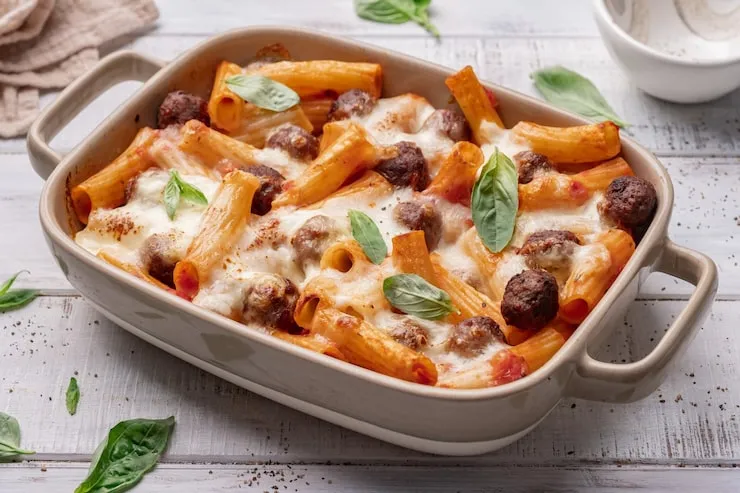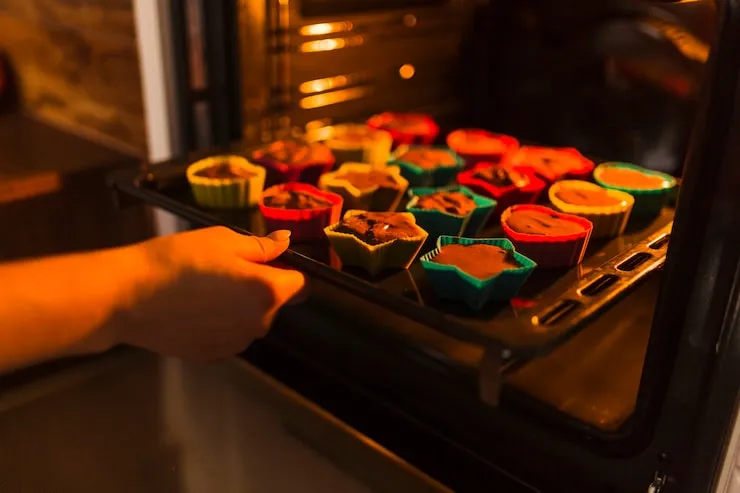
Are you one of those who awaited patiently for your cutlet to singe and also opened the roaster's door excitedly, only to were dissatisfied that it was dull, flat or goopy in the middle? perhaps the cutlet sprang in odd shapes, rather of being soft and round. In this case, many folks think that they've done an error in the recipe. In reality, the problem is actually much less complicated. It was the oven that wasn't ready to be used.
The idea of preheating your oven could seem boring or unimportant particularly when everybody is starving and demands food quickly. Turn the knob and then slide the pan into and pray that everything will go according to plan. The oven needs the time to heat up so skipping this step could alter the way food is cooked significantly. It is important to understand why heating the oven prior to cooking essential and why it can help your cook food to be perfect.
What Does Preheating Mean?
The term" preheating" refers to switching on the roaster and also allowing it to reach the temperature specified in the form before placing food in. If the form specifies 180degC or 350degF it's not just a arbitrary number. It's the temperature that makes the baking of the food properly.
Within the oven, heating elements gradually heat the air as well as the metallic walls. It can take several hours. Initially, the oven remains cool. It then gets warmer. It finally gets to the proper temperature. Once that is done, the oven prepared to cook the food exactly as the recipe requires.
Consider it as a way to warm for sports before you play. If you begin running before stretching, your muscles might not perform as well. The same is true for food. foods require the oven to be prepared before you put it into the oven.
Cold Ovens Cook Food the Wrong Way
In the event that you cook food in the oven which is in the process of heating, food will spend a lot of time being sat in cooler temperatures. In that time, bizarre events can occur. Muffins and cakes require heat to puff up. In the event that the roaster gets hot from the morning, the batter is snappily rising and traps air. It makes the cutlet ethereal and light. If the roaster is cold the cutlet's batter sluggishly warms. The bubbles vanish before the cutlet sets in the roaster, so the final product could appear heavy and flat.
Cookies may be melted and spread out before they get firm. The bread may not rise properly and could become tough instead of light. The vegetables that are roasted may be dry, instead of being crispy and golden. The reason for this is that the food didn't get the temperatures it had expected.
Heat Starts Important Reactions
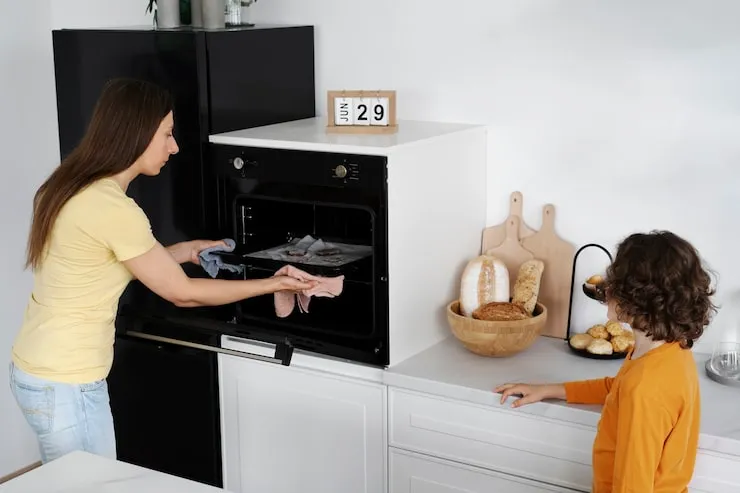
Cooking can be a whirlwind of modifications that are not visible to us. Heating causes water to transform into steam; proteins expand while sugars turn become brown. This is what gives baked goods their texture, shape, and taste. If the oven is heated, these reactions will begin instantly. The outer layer of cookies is able to firm up. The crust of bread starts to develop.
The casserole's top begins to puff up and turn get brown. If the oven remains heating, these reactions can be irregular and slow. Certain parts of your foods may become overcooked, while others are in the middle. It is possible to have burnt edges and raw meat that isn't fun.
Recipes Are Written for Hot Ovens
If someone comes up with the recipe, they try it inside an oven which has already reached the correct temperature. The time to cook is determined on the steady temperature from the beginning. If you add food earlier, the timer is no longer logical. Your dish could take more time to cook, or be cooked in an odd way that can't be solved being patient. Preheating the dish isn't an option. It's part of the guidelines, similar to the measurement of flour or eggs.
Ovens Need Time to Settle
After an oven has sounded or its light goes out for a signal that the oven is in good condition however, inside the oven it could continue to be chilly. Air is hot, while the steel walls continue getting warmer. A further couple of minutes can help ensure that the heat stays steady particularly when baking. This constant heat allows food to cook evenly on the sides, not being cooked in a patch.
Why Kids Notice the Difference
Children are often blessed with sharp eyes as well as good taste buds that's why they're great at discerning when something's not right with their food. Cakes that sink to the center, a pizza that appears pale under and brownies that look soft in the middle may appear odd to you however you'd be right.
All of these are indications to suggest that the oven might not have been sufficiently hot in the beginning. When you're at the table and you listen to an adult saying, "Let's wait until the oven is ready," then you'll know the reason. The reason is not that they're being in a hurry. They're making sure that your food will have an opportunity to turn into something delicious.
Waiting Feels Hard, But It Helps
The toughest part of cooking is the need for patience. Aromas of food are everywhere in the kitchen. Stomachs get a bit sour as everyone is eager to cook. In the waiting period of 5 or 10 minutes to get the oven ready to get hot can seem like a long time. It's a matter of time, but those minutes can prevent the disappointment of in the future.
It's wise to take a few minutes in the beginning rather than have baked goods that haven't been cooked well and has to be made again. Use that patience wisely. Lay out the pans, cover baking sheets with parchment Mix ingredients and take care of the countertop. When your oven is ready and everything else is set as well.
Not All Foods Are the Same
Some food items are reliant on the heat of the oven right at the beginning. Bread, cakes, cookies or pastries as well as casseroles are particularly susceptible to temperatures. They depend on rapid heat to bake, raise and form the proper form.
Certain foods, such as slow-cooked meals, may be more accommodating. If a recipe states that it should be cooked in an oven that is cold It is best to heat it at least once. A majority of baking directions include a warm start in the mind.
Learning Kitchen Habits Early
Understanding the importance of preheating can help you become a better cook. Instead of following the steps simply because it's what someone else said You know the motivation to these steps. The best cooking practices often stem from tiny details like this.
Making sure the oven is turned on first and carefully reading through the recipe and allowing equipment to set up are actions professionals perform daily. If children learn these skills in the early years, cooking can be made easy and much more efficient as time passes.
The Big Message to Remember
Heating the oven is not an option because it is the foundation for the rest of the day. It aids cakes to rise, cookies retain their shape, and bread rise up and roast vegetables wonderfully. This makes cooking time more precise and also results more reliable.
By skipping this step, you're trying to watch a film prior to the screen turning to the right channel. There are some parts that you might be able to see in the film, but it won't not be what you were hoping for.
The next time you cook or bake something and you see your oven heating up, be aware that it's doing vital job at the back of the house. The shining heating elements are making your kitchen prepared to serve something yummy. Waiting a bit now will lead to better meals when it comes time to eat, which is an investment worth it each time.