
Have you ever sipped an ice-cold bowl of soup and wondered: I wonder... Something is missing? It might seem warm, cozy and packed with veggies or noodles, however it's still a bit bland. A lot of cooks, both novice and expert alike, have the same issue at times. However, the great news is that there's one basic ingredient that will make nearly any soup taste better as well as more rich and tasty.
The secret ingredient includes... salt. It may seem too normal and not be real. Salt can be found in every kitchen. And people apply it on their popcorn or fries with no thought. When it comes to soups it's more than just to make things taste salty. It also has an amazing ability to make to make all other flavors shine. It's time to discover why one little ingredient could transform the soup you cook in.
Why Soup Needs Help With Flavor
The majority of soups are made from either broth or water. The water itself is almost none of the flavor. Still, funk polls or sap these constituents conduct flavors into the water, If you mix in carrots or onions. occasionally, those flavors are in the background, just like children who do not want to speak out in the classroom.
Salt is the place where it is a key ingredient. Salt can be described as a kind instructor saying, "Go ahead, speak louder!" Salt helps to enhance the flavor of vegetable as well as meat and other herbs develop and become clearer. Instead of tasting bland and dull, soup appears warm, full and exciting.
Salt Does Not Just Make Things Salty
Most people think that salt's sole task is to make foods taste sweet. This isn't the case. If used in the correct way it actually helps balance the flavors. In the case of tomatoes, they are somewhat sweet and bit acidic. Onions may be sour or acidic. Carrots can be sweet. The aroma of herbs is wonderful, but they can have a weak taste when mixed into the water. Salt holds all the various flavours together and works together. In the absence of salt, soups may taste bland. If you add just enough salt of salt, a soup will be a pleasant and refreshing taste in the same moment.
How a Pinch Can Change Everything
Imagine cooking vegetable haze. The haze simmers with celery, onions, garlic as well as carrots in the pot. The aroma is nice, still after tasting it, you feel the flavour is like it's veritably thin. Add a small tablespoon of swab. Stir the admixture, also taste. Suddenly--wow! It's like the carrots are to be sweeter. They taste more rich. The soup feels warm and more full. This is what the cooks discuss. There was nothing new added, except for salt. Yet everything is better.
Why Too Little or Too Much Matters
Salt can be powerful. This implies that using the correct amount of salt is essential. If you use too much salt, the soup will be bland and watery. If the amount is excessive it can be unappealing and difficult to drink. This is the reason why cooks slowly add salt. You sprinkle it on and stir it in, then taste and finally decide if their soup is in need of extra. It is a process that children can also learn by assisting an adult. It helps develop patience and focus, two important cooking techniques.
Salt Helps While Cooking, Not Just at the End
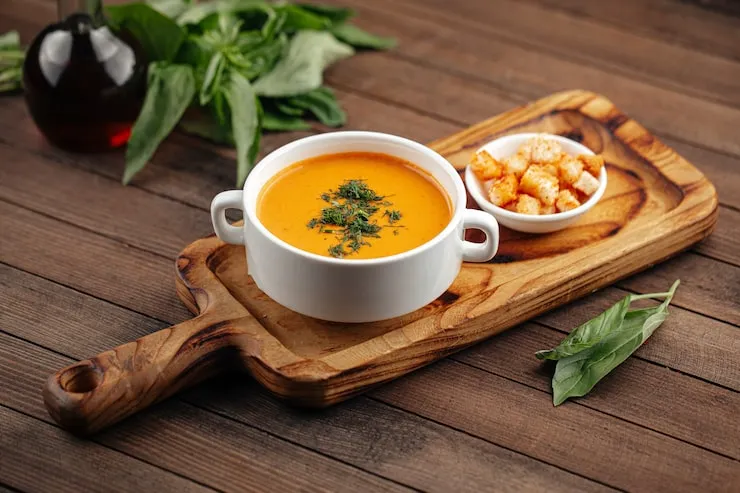
A few people put salt in the bowl prior to serving soup. A little as the soup cooks could be more beneficial. If salt is present in the pan in the beginning, it is absorbed into the beans, vegetables or meat, as they melt. The flavor is then deep instead of just sitting at the top. Consider it as coloring the sponge. If you splash colored water in it before you are ready the color will spread throughout. If you hold off until the sponge is drying, the colour mainly is left on the surface. Soup is the same method.
Different Kinds of Salt
Different salts don't look identical, however the majority of types perform the same task in soup. Table salt is fine that dissolves fast. It is also kosher salt with larger chunks. It is also sea salt that can have a distinct taste according to where it is from.
In soups, any one of them can be used. It is important to remember that some salts work better that others in terms of volume and cooks must modify the quantity they include. Whichever type you choose however, the aim remains exactly the same: wake up the flavours.
What About Broth and Stock?
A lot of soups begin with stock or broth instead of water plain. Broth already has flavor, and most often, it already has salt. This means that you need to be cautious in adding salt. If you put the broth that is salty into a soup pot, and then sprinkle plenty of salt, it can soon become overly powerful. This is the reason the best cooks take their time and taste it frequently, and cook slowly. It is sometimes best to let it simmer until the very end once everything is been cooked and you can decide whether salt addition is required.
Salt and Other Flavor Helpers
Salt could be the main ingredient salt, but it is a great match when combined with other ingredients.
- Pepper adds gentle heat.
- Garlic is a strong odor and flavor.
- Herbs such as thyme or parsley provide a fresh taste.
- A lemon squeeze can make everything more vibrant.
Salt can help all these components do their job more effectively. It's like a captain of the team making sure that everybody is playing their role.
Learning to Taste Like a Cook
One of the fun aspects of cooking soup is smelling it as it cooks. With the permission of an adult, and a dish that's clean every time, children can discover what flavors change.
- Check the soup for salt before it is included.
- Taste it following one small amount.
- Take note of the changes.
Does it seem richer? Warmer? Funnier? Understanding this process helps you know what salt actually does instead of relying on that people talk about it.
The Big Lesson
The question is, what's the key ingredient that improves the taste of soup better than anything else?
Salt.
- It makes vegetables more vocal.
- It is a balance of sweet and tart taste.
- The broth is savoury and fills you with comfort.
- It turns an ordinary bowl of soup to something extraordinary.
Although salt may seem like a simple ingredient however, it's among the most essential tools used in the kitchen. If used with care and judiciously salt can help make your homemade soup taste as if it was from a restaurant's kitchen. If your next soup bowl seems boring, think of this small crystal that has huge impact. One tiny pinch, just enough -- could be enough to turn the pot to the next level of.