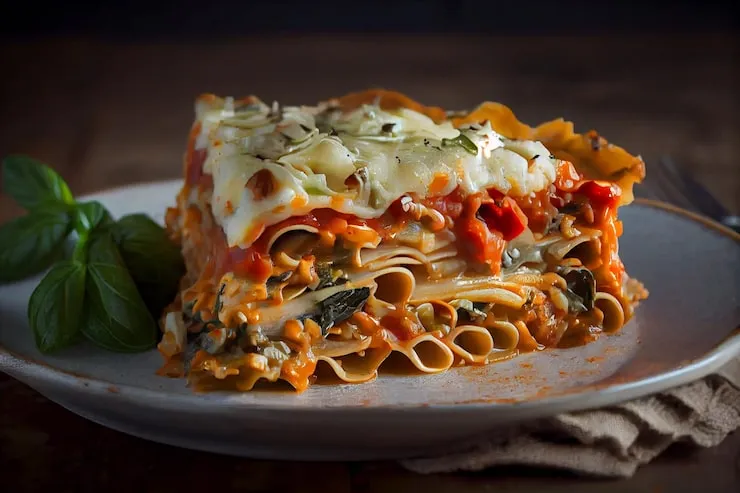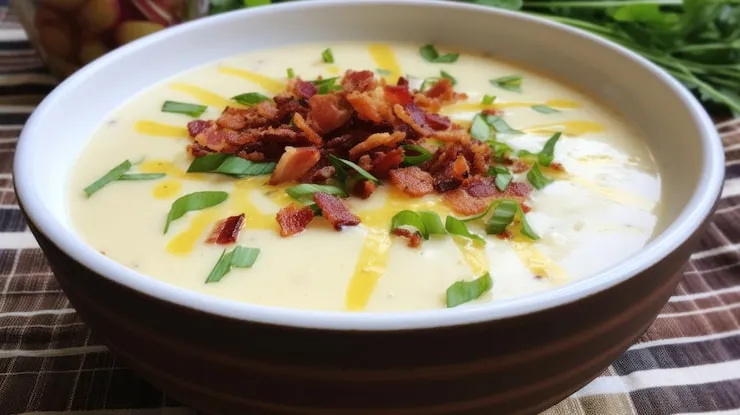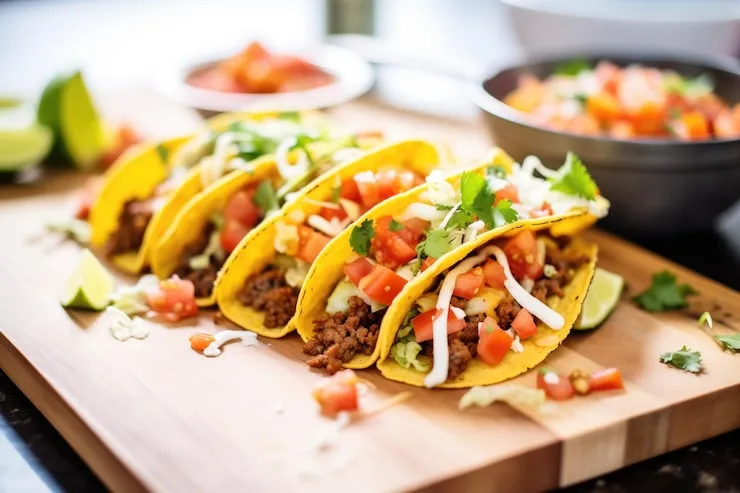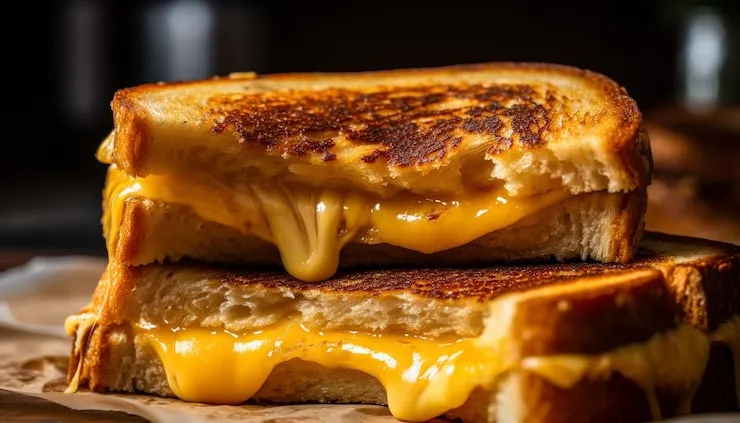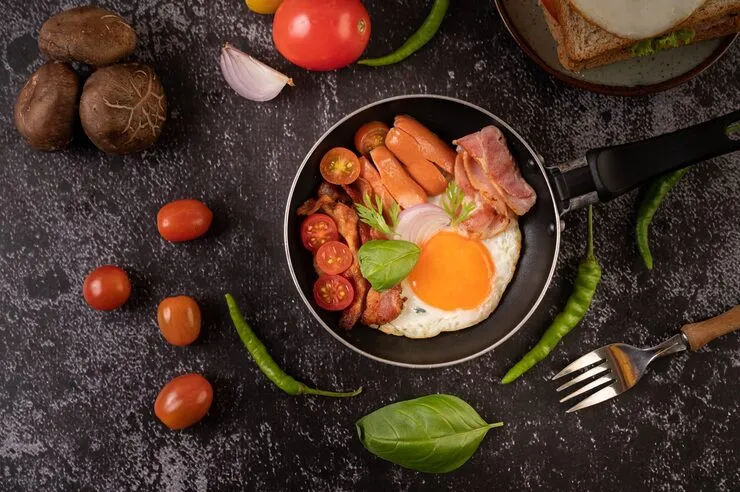
Nearly everyone who previously cooked has experienced this same issue. When you crack an egg in the pan, then turn it around for a few seconds then try to turn it over, it gets... it's stuck. If you make pancakes but half refuses to go away from the plate. Scraping begins. The pieces break off. The dish looks dirty, and the food doesn't seem very delicious anymore.
This can be a source of frustration it can be a bit frustrating, particularly for children learning to cook and would like their meals to turn out flawlessly. However, the good news is that food sticking to the pans isn't just a matter of bad luck. The majority of the time, it happens due to reasons, and when you are aware of the reason and can prevent the majority of sticking issues before they appear. Let's look at the basic tips that will help your food flow easily, remain intact and looks appealing when it's the time to serve.
Why Food Sticks in the First Place
Food gets stuck when it grabs on the small scratch marks and bumps on the pan's surface. Although smooth pans contain tiny rough spots when you zoomed in near. If cold food gets into the pan and isn't well-prepared, components of the food will sink in those small spaces and stick there.
Heat can play a significant part. When the cooking pan is cold, food will have an opportunity to get settled into the pan before cooking. Still, foods may get burned and begin to stick itself to the visage, If the cuisine visage is high in temperature. The key is to learn how to get the temperature of the food to a perfect temperature, and also guard it by using the correct volume of fat or oil painting.
Preheating Makes a Huge Difference
One of the most effective methods to avoid sticking is to let the food cook prior to adding food. If a pan is heated equally, its surface alters so that it reduces the likelihood of it being abrasive. Consider it like getting ready for exercising. The muscles will work more efficiently after they're ready. Likewise, it is easier to cook a dish once it's warmed up first.
Put the pan in the stove and allow it to get warm for a brief period of time. After that, add butter or oil and allow it to heat up. Once that is done, carefully place the food into. Some cooks find that eggs, fish and pancakes are released quicker when the skillet was heated before food was placed in it.
Oil Is Your Slippery Shield
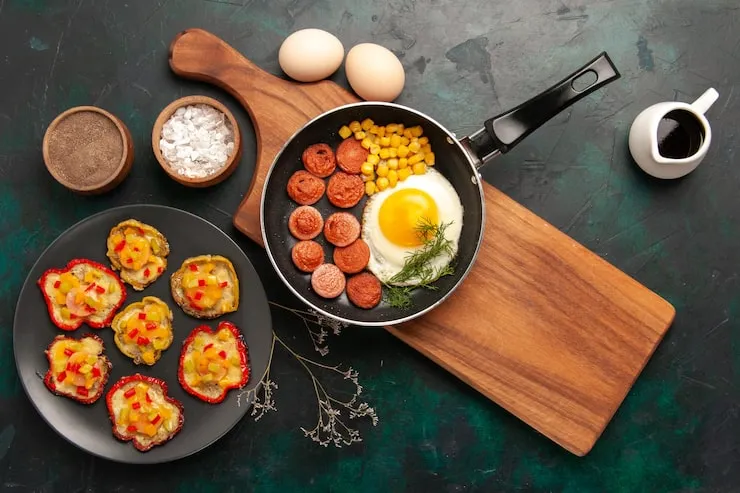
The presence of butter, oil or any other cooking fat forms an extremely thin layer of fat between the food and the skillet. It acts as skates that help food slide instead of sticking. It is not necessary to have an enormous puddle. It's only enough to cover the area.
As the oil warms it expands and fills those small pits that appear on the pan. This means there are fewer spots for food items to become stuck. When the fat is cold it may not be as safe effectively, therefore waiting for it to warm up is beneficial. Different foods like different fats. Butter can add flavor to eggs and sandwiches grilled. Oil can be used to cook meats and vegetables. In any case, that sticky layer of oil is among your greatest allies when cooking.
Let the Food Cook Before Moving It
The reason for this is that it can be a bit of a surprise to many. When food hits the pan, it typically gets stuck a bit, but intentionally. When it is cooked there is a formation of a crust and this helps food to release easily. If you attempt to flip the food too soon, it might tear or stick to the surface.
If you hold it for a while and you may find it can be lifted easily using a spatula. This is especially the case for dishes like chicken, pancakes or even fish. It is a great way to cook. Sometimes, the most effective option is to not do anything in the first short time.
Dry Food Sticks Less
The water is another reason food is stuck. Still, which causes food to stick to the cuisine visage, rather of getting brown, If the surface of your veggies or flesh is wettish this humidity may change into brume. Make sure to dry the food by using a clean kerchief previous to cuisine, particularly flesh and liquid vegetables. This straightforward step can help to sear them better and let them cook easier.
The Type of Pan Matters
The different pans perform in various manners. Nonstick pans are designed for helping food slides off. This is ideal for egg, crepes as well as delicate fish. Steel pans with stainless steel work well, however they typically require the right temperature and sufficient oil to avoid sticking. Cast iron pans, if properly maintained, will develop naturally slick surfaces in time. This is amazing with a variety of kinds of food.
Whichever pan you choose to use being kind to it can help. Scraping a nonstick surface using steel tools may cause it to become more sticky later on. The gentle washing of pans and drying them properly will keep their condition to be used again for your coming meal.
Temperature Control Is Key
The cooking process that's either too hot or insufficient could cause stickiness problems. Low heat might make a crust that is not as presto enough, and veritably extreme heat could beget the food to melt on the food face. Medium- to- medium-high temperatures work well for a variety of everyday refections, but grown-ups will frequently alter their cuisine styles grounded the food they are making. Understanding how the cookware and cookstove work is a process that takes time, but it's fine. Cooks who are experienced experiment with tweaking things daily.
Clean Pans Work Better
Food that has been cooked and charred that are left over on the pan be used as glue to cook whatever you'll cook the in the next. The crumbs that remain quickly heat and can be a magnet on fresh food. When cooking, let the pans cool, then wash them thoroughly.
If you have a blockage by a clog, the pan's soak in hot water will assist in loosening it up so that you don't have scrape as hard. An uncluttered, clean surface can be much more easy to cook on than a surface that is that was covered by the leftovers from yesterday's meal.
Cooking Is a Skill You Build
To stop food from sticking, it's not a matter of being flawless at first. It's all about being attentive, practicing to learn the best methods for success. Perhaps you'll fail to cook the pan to a sufficient temperature and you end up making egg is stuck. Next day, you realize adding oil in the correct moment, and the egg slid right off. It's how cooks get better.
Children who assist in the kitchen will begin to see patterns. They observe how oil sparkles in the presence of heat and how pancakes erupt when they're ready for flipping as well as how food release after cooking for long enough. The little things they observe become huge skills with time.
The Simple Truth
To prevent food from sticking, it comes down to just a couple of simple strategies that work together. The pan must be heated first. Pour in butter or oil. Allow the food to cook prior to taking it off. Be sure to keep food in a dry place. Make sure to clean the pans the pans thoroughly following use.
Once these two way are completed when they're done, cuisine is more pleasurable and less stressful. The flapjacks are cooked to perfection. Eggs are flipped neatly. The vegetables brown rather than ripping. Also, the dish looks more seductive when the cuisine is finished. The coming time you're seated at the kitchen table holding a spatula in your hands, be apprehensive that the process of sticking is not an issue. With just a little attention and a little tolerance, food will slide off, swish and shine each time.