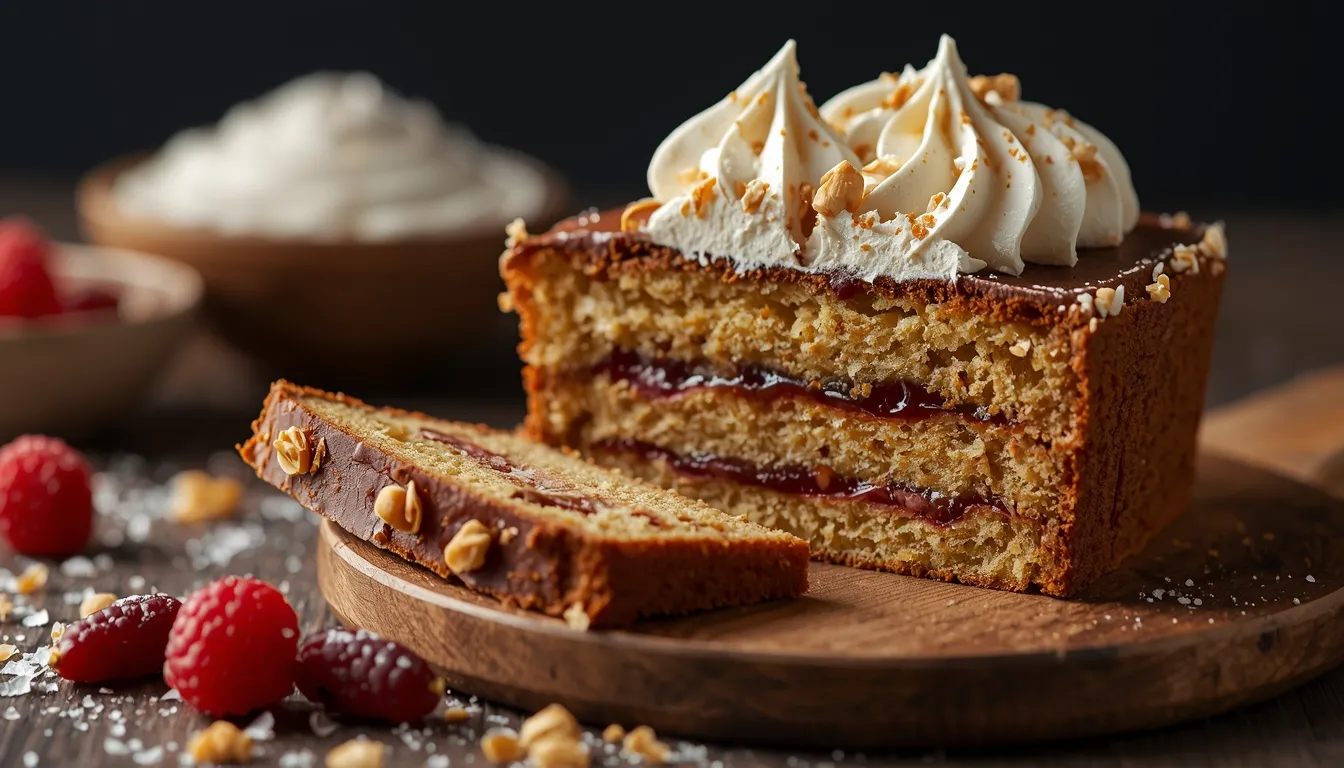
Baking a cake is more than mixing flour, sugar, and eggs. Today, many bakers and buyers ask an important question. Is it worth paying more for organic ingredients? The answer depends on many factors. Taste matters. Health matters. Cost matters too. That is why doing a Cake Premium Assessment is helpful.
A Cake Premium Assessment is a simple way to decide when organic ingredients truly add value. It helps you understand when higher cost leads to better results. It also shows when regular ingredients may work just fine. In this blog, we will explore Cake Premium Assessment: When Organic Ingredients Pay Off using easy words and clear examples.
What Is a Cake Premium Assessment?
A Cake Premium Assessment is a way to compare value. You look at the extra cost of organic ingredients. Then you compare it to the benefits they bring.
These benefits may include:
-
Better taste
-
Cleaner ingredients
-
Health perception
-
Customer trust
-
Brand value
This assessment helps bakers make smart choices. It also helps buyers understand what they are paying for.
Why Organic Ingredients Cost More?
Organic ingredients follow stricter rules. They are grown without synthetic pesticides. They avoid artificial fertilizers. They often require more labor.
Because of this:
-
Farming costs increase
-
Yields are sometimes lower
-
Certification adds expense
These factors raise prices. A Cake Premium Assessment helps decide if that price increase is worth it.
Understanding the “Premium” in Cakes
A premium cake is not just expensive. It offers something extra. This could be flavor, texture, or peace of mind.
Premium value may come from:
-
Organic flour
-
Organic eggs
-
Organic butter
-
Organic sugar
But not every ingredient adds the same value. That is why assessment matters.
Organic Flour: Does It Make a Difference?
Organic flour is often less processed. It may have a richer grain flavor.
Benefits include:
-
Better texture in simple cakes
-
Stronger wheat taste
-
Cleaner label
However, in heavily flavored cakes, the difference is small. A Cake Premium Assessment helps decide when organic flour is worth the upgrade.
Organic Eggs: A High-Impact Choice
Eggs play a big role in cakes. They affect structure and richness.
Organic eggs often:
-
Have deeper yolk color
-
Come from better-fed hens
-
Appeal to health-conscious buyers
In sponge cakes and pound cakes, organic eggs can make a noticeable difference. This is a case where organic often pays off.
Organic Butter: Flavor That Stands Out
Butter adds flavor and moisture. Organic butter is often made from grass-fed milk.
This can result in:
-
Richer taste
-
Creamier texture
-
Better aroma
In butter-forward cakes, organic butter shines. A Cake Premium Assessment often supports using organic butter in premium recipes.
Organic Sugar: Less Impact Than Expected
Many people assume organic sugar tastes better. In reality, sugar mainly adds sweetness.
Organic sugar benefits:
-
Less processing
-
Ethical sourcing
Taste difference is minimal. In many cases, regular sugar works fine. This is where organic may not always pay off.
Health Perception and Customer Trust
Organic ingredients carry strong emotional value. Many customers trust organic labels.
They associate organic with:
-
Fewer chemicals
-
Better health
-
Higher quality
Even if taste differences are small, perception matters. This is a key part of Cake Premium Assessment: When Organic Ingredients Pay Off.
When Organic Ingredients Truly Pay Off?
Organic ingredients pay off most when:
-
Cakes have simple flavors
-
Ingredients are highlighted
-
Customers value clean labels
-
Brand identity supports premium pricing
Examples include:
-
Vanilla cake
-
Pound cake
-
Butter cake
In these cases, organic ingredients are noticeable and appreciated.
When Organic Ingredients May Not Be Worth It?
Sometimes, organic upgrades add cost without clear benefit.
This happens when:
-
Cakes have heavy chocolate or spices
-
Frosting dominates flavor
-
Budget matters more than branding
In these cases, regular ingredients may perform just as well.
Cost Breakdown Matters
A smart Cake Premium Assessment looks at cost per slice, not total cost.
For example:
-
Organic eggs may add $0.20 per slice
-
Organic butter may add $0.30 per slice
If customers accept a $1 higher price, the premium makes sense.
Home Bakers vs Professional Bakers
Home bakers and professionals assess value differently.
Home bakers may:
-
Value family health
-
Bake smaller batches
-
Accept higher costs
Professionals may:
-
Need consistent supply
-
Protect profit margins
-
Price for market demand
Both benefit from clear assessment.
Organic Certification and Transparency
Certification builds trust. Labels matter.
Clear labeling:
-
Justifies higher prices
-
Educates customers
-
Reduces questions
Transparency strengthens premium value.
Taste Tests Tell the Truth
Side-by-side tests reveal real differences.
Try this:
-
Bake two identical cakes
-
Use organic in one
-
Use regular in the other
Taste. Texture. Aroma. The results guide better decisions.
Marketing Value of Organic Cakes
Organic ingredients can support strong marketing.
They help with:
-
Premium positioning
-
Social media storytelling
-
Brand loyalty
Marketing value is part of the return.
Environmental Impact Considerations
Some choose organic for environmental reasons.
Benefits may include:
-
Better soil health
-
Less chemical runoff
-
Support for sustainable farming
These values matter to many buyers.
Balancing Quality and Price
Balance is key. Not every ingredient needs to be organic.
Smart strategy:
-
Upgrade key ingredients
-
Keep others standard
-
Communicate choices clearly
This approach maximizes value.
Common Mistakes in Cake Premium Assessment
Avoid these errors:
-
Assuming organic always tastes better
-
Raising prices without explanation
-
Ignoring customer preferences
Assessment should be thoughtful, not emotional.
Teaching Customers About Value
Educated customers appreciate premium choices.
Simple explanations help:
-
Why organic eggs were used
-
How butter quality affects taste
Education builds trust and acceptance.
Long-Term Brand Benefits
Using organic ingredients can build reputation.
Over time, this leads to:
-
Loyal customers
-
Strong word-of-mouth
-
Clear brand identity
These benefits grow slowly but steadily.
Practical Example
A bakery upgrades to organic eggs and butter only.
Result:
-
Small cost increase
-
Noticeable taste improvement
-
Higher customer satisfaction
This is a successful Cake Premium Assessment.
Is Organic Always the Answer?
No. The answer depends on goals, audience, and recipe.
That is why Cake Premium Assessment: When Organic Ingredients Pay Off is so useful. It encourages smart, balanced decisions.
Final Thoughts
Organic ingredients offer real benefits, but they are not magic. They shine in the right context. They fail in the wrong one. A Cake Premium Assessment helps you decide wisely.
When organic ingredients improve taste, trust, or brand value, they pay off. When they only raise costs, they may not. The key is balance, testing, and honesty.
By understanding Cake Premium Assessment: When Organic Ingredients Pay Off, bakers can create better cakes and smarter businesses. And customers get what they truly value.