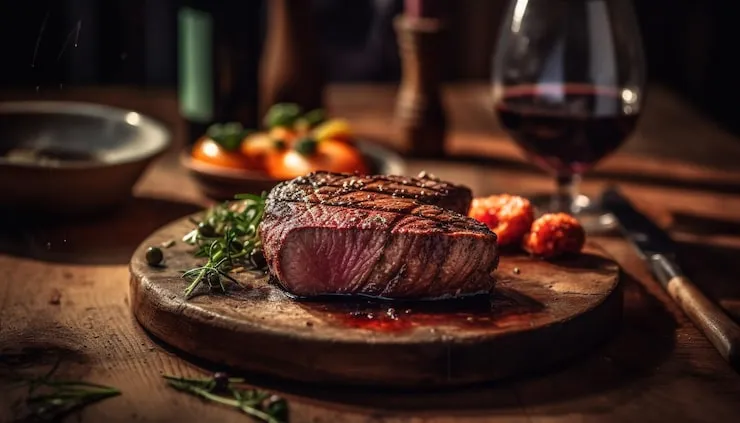
After the meat is cooked the aroma is amazing. The meat is brown on the surface while the juices begin to bubble and everybody is eager for a meal immediately. It's almost unattainable to even wait a single moment. There is an vital step that many cooks overlook, which is resting the food. The process of resting the meat involves waiting for it to sit for a brief time following it has been removed from the grill before cutting it.
The smallest pause in the process can make the world of difference to the way tender, juicy, and delicious the food comes out. Kids as young as 11 years old are able to comprehend the reason for this, and after you've learned this, you'll never skip this stage ever again.
What Happens to Meat While It Cooks
For a better understanding of why resting meat is important, it's helpful to consider what's taking place inside as cooking. Meat is comprised from tiny fibers of muscle that are stuffed by natural juices and water. When you heat the grill, a pan or oven, these muscles fibers contract similar to how your hands become curved whenever you squeeze some thing.
When the fibers get tighter, they force the juices towards the meat's center. So, while the food is cooking, much of the liquid gets in the meat instead of being spread equally.
If you cut the meat as soon as you can the juices that have been trapped will spill across the table or the cutting table. It's likely that you've seen it previously, and a pool of liquid sprinkling everywhere. The juice imparts flavor but when it's gone and the meat becomes dry and not juicy.
What Resting Really Does
The resting of the meat allows the muscle fibers that are tight to loosen up. When they relax and the juices move back into the meat rather than staying compressed through the middle. Imagine it as an unsoaked sponge. If you squeeze it with force, the water pours out. However, if you stop the squeeze and allow it to rest on its own, it can retain the water.
Meat functions in the same manner. If the cooking process stops and the meat is sat in a place, it will hold on to the juices more effectively. That's why meat that has been rested typically appears moist and shiny when cut, instead of dull and pale.
How Long Should Meat Rest?
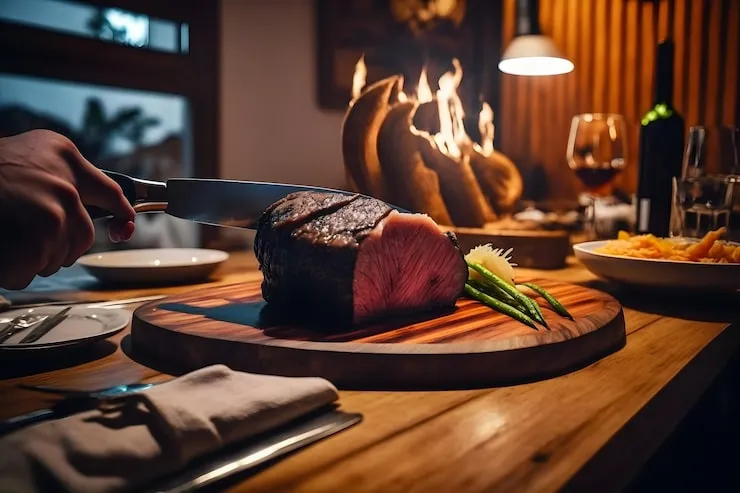
The length of time that meat has to rest will depend on its size. Small pieces like a chicken breast or thin steak may only require 5 minutes. larger cuts, like a full roast, turkey or a large steak could take 10 to 20 hours.
In this period the meat remains warm, particularly when it's loosely wrapped in foil. This keeps heat in and does not trap excessive steam that may cause the exterior to soften. While waiting for a while can be difficult, the short moments are essential to tasks inside the meat improving its taste.
Why Resting Makes Meat Taste Better
The juices of a juicy meat are usually more delicious meat. In the case that juices are kept within, each bite will feel better and tastes more delicious. It also feels more supple due to the fact that the fibers have loosened instead of being rigid and tight.
The resting process can help the slow cooking of meat. Once you have removed the meat from cooking, it can be in the oven a tiny in the middle because the meat is hot. This is known as carryover cooking. It gives you that additional heating time, allowing the heat to spread evenly to ensure that the meat is cooked only enough to not dry out.
This is the reason chefs usually get meat off the stove when it is at the temperature they desire after which they let it sit until it reaches the perfect temperature.
What Happens If You Skip Resting?
If the meat has not been rested when it is cut, cutting immediately usually triggers an explosion of juice that escapes. This liquid is left in the dish instead of inside the meat and it can appear dry. It can feel more brittle. Muscle fibers with tightness are more difficult to chew and it is possible that the meat won't have the same tenderness as it might be.
Doing the wrong thing and not resting will not cause the meat to go bad However, it could mean that you're not getting the most delicious version. This is similar to cutting cakes before cooling. While it may taste good however the pieces may not be as strong.
Does This Apply to All Kinds of Meat?
It is beneficial to rest for all kinds of meats like the following: pork, chicken, beef lamb, turkey, and. Large pieces of meat benefit most however, smaller pieces can are better when they get a quick rest. The ground meat, such as burgers and meatballs don't always require an extended rest.
However, sitting them for at least a couple of minutes can help keep the juices from leaking immediately. Seafood and fish have a distinct flavor due to their delicate nature however, they are able to be allowed to rest for a short time so that it cools down, and the flavor stays good.
How to Rest Meat the Right Way
The resting process for meat is simple. When the meat has finished cooking, put it on a plate that's clean or a slice block. Cover it approximately with antipode and leave enough space to let air circulate. This helps keep it warm but does not leave the outside looking soppy.
Avoid wrapping it as a gift. A tight wrap traps steam which can cause steam to melt the crust and the skin which forms during making. Make a schedule so that you can know when your resting time has been completed. This way, you're not debating and becoming too anxious.
A Little Patience Makes a Big Difference
It's a bit of a wait to cut meat. may be a bit jarring initially, particularly when everybody is starving. However, resting is among the kitchen practices that differentiates good cooking from truly great cooking. This shows that cooking isn't just concerned with heat or time spent cooking on the cooking stove or oven.
It's about knowing what foods require to be cooked after taking it off the stove or oven. When you can taste the distinction between the meat that has been rested as opposed to meat cut immediately, the reason will become obvious.
Learning to Cook Smarter
The resting of meat is a basic technique that anybody could make at home. It does not bear precious outfit or any special constituents, simply a little bit of perseverance. In letting the meat sit it gives the authorities time to expand, which makes every bite soft, wettish and packed with taste. Additionally, you help in ensuring that the temperature is even so the meat is cooked the right way.
When you coming cook the funk, steak or repast, consider making sure you stay a couple of twinkles previous to cutting. You might be amazed by how succulent it is. occasionally, the key to succulent eating is not in making further food, but understanding when to take a break.