Cast iron is among the most durable and best tools to have within the kitchen. It is used to cook pancakes, eggs and steaks, as well as vegetables as well as desserts. It is able to last for years and sometimes, even more than the folks who bought it, provided it's maintained in a proper manner. However, many children and adults have a difficult time figuring out the best way to clean it. There are those who believe soap will damage the pan forever. Some worry that the water could cause it to rust once it comes into contact with the pan.
The reality is more simple and less frightening. The process of cleaning a cast iron skillet is a breeze when you know what it is that makes it unique. This guide provides everything you need to know in a friendly and human manner so that children around 10 or 11 year old are able to learn with the help of an adult.
What Makes Cast Iron Different
Cast iron skillets aren't as shiny, nonstick pans or the thin aluminum skillets. They're heavy and thick constructed from a large chunk of iron. As time passes, they develop the process of seasoning. It isn't spices nor salt. It's a smooth, black layer which forms as oil heats up over the stove again and over. This coating helps prevent food from sticking to the pan and shields the surface from corrosion.
Due to this coat, cast iron does not enjoy being scrubbed extremely tough with abrasive tools, or left to soak in water for long period of time. Cleaning is designed to get rid of food residue and keep the protection layer in place.
Let the Pan Cool First
Following cooking, the pot is going to be extremely hot. Doing so immediately could harm your skin make sure to keep it in the fridge until it is cool enough for you to be able to safely handle it. If it's warm however not hot it's easy to wash because the leftover food isn't fully set but it is still soft. If the food remains on the surfaces, don't be concerned. It happens to everybody including skilled cooks. This doesn't mean that it's a disaster for the cookware.
Rinse With Warm Water
Bring the pot into the sink, and wash it in warm water. Most of the time, this is sufficient to rinse away the remnants of food. Utilizing a smooth brush or sponge will aid in gently rubbing the pan without scratching seasoning. There was a time when people thought soap should not be used on cast iron. However, even a tiny amount of mild dish soap will usually suffice in the event that the iron is extremely dirty.
Make sure to not soak in the pan for long duration, as being in water could cause corrosion. Imagine it as cleaning your hands. An easy hand wash can be beneficial However, leaving them submerged for more than an hour won't be ideal.
How to Handle Stuck-On Food
There are times when food sticks onto the surface, for example melting cheese, or crunchy pieces of meat. When this happens, scraping more vigorously isn't the most effective strategy. Instead, put the pan in the oven Add a bit of water, then let it warm gently. The water will warm up and it will loosen the food that has stuck which makes it easy to clean it off using the wooden spatula or spoon.
Another trick to help is pouring some fine salt in the pan and then rub the salt around using a moist cloth or paper towel. Salt acts as a gentle Sandpaper that lifts food particles without harming the seasoning. Then, rinse the salt and scrub the pan thoroughly.
Drying Is Very Important
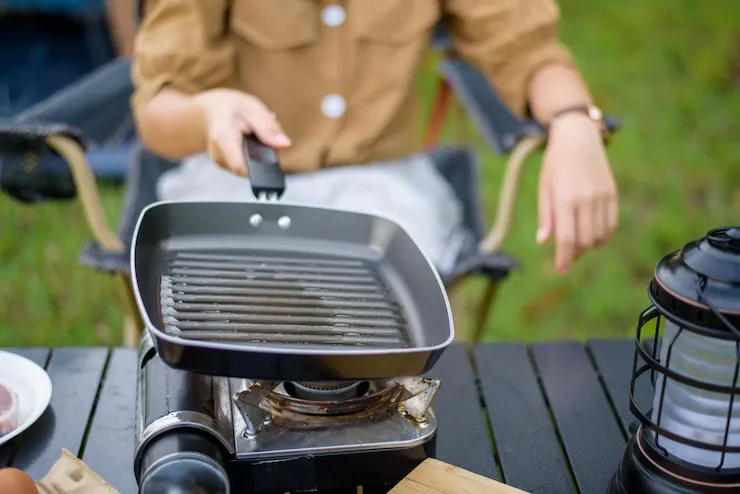
After the pan has been cleaned Drying it out completely is the crucial things to do. The two elements of water and iron do not mix for long and allowing moisture to remain on the surface of the pan may create rusty spots. Utilize a clean towel to wipe it clean immediately. For added security it is recommended to place your pan in the oven at a low temperature for about a few minutes or so. It will help any lingering drops of water melt away. Dry pans are the happy pan.
Add a Thin Coat of Oil
Once dry, spread a small amount of cooking oils over the outside of the skillet by using a clean sponge or a cloth. The pan will appear slightly shiny, but not too greasy. The thin layer protects the cooking surface, and also keeps your seasoning in place to be used again the next cooking.
Consider it as moisturizing the skin during the winter months. A tiny amount can go a long way, and helps keep things in good form. If your pan appears to be dry, it's because there was too much oil utilized. Just wipe it away by using a dry towel.
What If Rust Appears?
The sight of gravel spots in a cast iron pot could be shocking, but it's not a sign that the visage is damaged. The rust generally appears when the cast iron visage was in water for in the wrong quantum of time or stored in an area that was damp. In the event of this then an adult should remove the rusty spot using steel wool or firm brush until the color has gone.
After that, the pan needs to be cleaned, completely dried, then coated with oil once more. The heating of the oil-coated pan by baking helps to rebuild the seasoning protection layer. If you take care of it some rusty pots may be revived.
How to Store a Cast Iron Pan
The location you store the pan is also important. Keep it in a dry area and not in a humid cabinet. If the pans are placed over each other and a towel is placed between them may help in absorbing moisture as well as protect the top. Check that your pan is dry prior to throwing it to the side. Just a tiny quantity of liquid left could cause problems later on.
Why Taking Care of It Is Worth It
An iron skillet that's well- maintained will get better as it periods. Every time you toast oil painting onto it, the seasoning gets more pronounced and smoother. This means that food is less sticky as flavors develop as well as cooking becomes more simple. A lot of families pass their cast iron skillets from parents to grandparents kids. This is quite amazing in the context of how it is used. The way to clean it is the key to making it possible.
Turning Cleaning Into a Simple Habit
Cleaning the cast iron skillet is to develop good habit. Make sure to clean it immediately after cooking by washing it in hot water, gently scrub then dry it thoroughly then apply a light coating of oil prior to storing it. When you repeat this process several times, it no longer feels as a huge chore, and is just another chore in the kitchen. It's like cleaning a plate or throwing the spoons away.
A Pan That Lasts for Years
Cast iron pans can appear daunting and frightening initially However, they can be quite friendly once you learn how to take care of the pans. They don't require fancy cleaning equipment or expensive tools. All they need is the right amount of attention and affection. When you watch for the cast iron skillet with care and duly, you'll be awarded with delicious refections over the numerous times. Knowing the most effective system to wash it's essential for keeping your cast iron visage prepared for whatever you wish to cook up next.