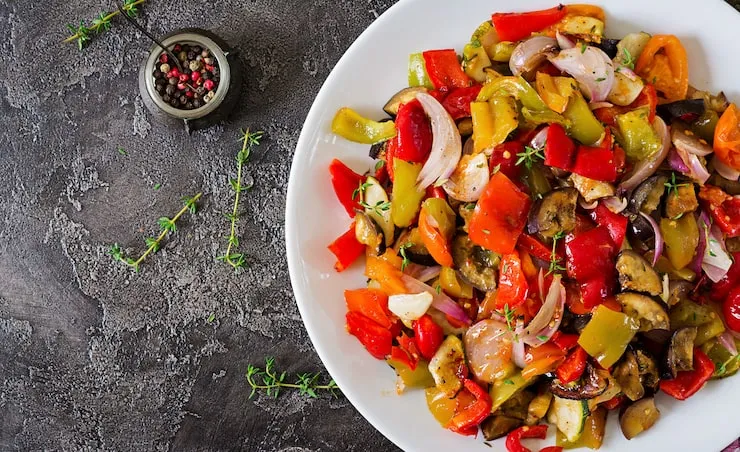
Roasted veggies are one of the most nutritional and succulent refections that you can cook at the kitchen table. If done rightly they turn out with a golden- brown surface but soft and tender on the inside and loaded with succulent flavor. Carrots are sweeter while potatoes get brickle. broccoli is heated on the edges and onions turn into bitsy pieces of tastiness. still, occasionally the vegetables we repast do n't come out as we'd like. rather of crisp it can be soppy or dull, which is not always a good thing.
Then what's the key to making your roast vegetables crisper? It's not the one ingredient. It's a combination of cooking with a sense of humour, appropriate temperature, and handful of kitchen skills that everyone can pick up. The guide will explain everything in a simple and accessible manner so that kids of the age of ten and eleven will be able to comprehend it as well.
Why Vegetables Sometimes Turn Soft Instead of Crispy
To know how to make vegetables crunchy, it's helpful to be aware of the reasons why vegetables can get to mush. The water content of vegetables is high. As they cook, the liquid turns to steam. If steam is not able to escape, the food begins to soften, instead of turning brown.
A different issue occurs in the event that too many vegetables are packed together in one pan. When the pieces come into contact and the heat is trapped and generates steam. Instead of baking, the vegetables steam, but steaming doesn't create crispness. Utilizing too much temperature in the oven could hinder the browning process. Cool ovens cook vegetables slow and slowly, which can be great for certain foods however not ideal to roast when you need crisp edges.
Start With Dry Vegetables
One of the most important secrets for terseness thresholds by preparing dry vegetables. After drawing the vegetables, be sure to wipe them dry using either a kerchief that's clean or a review towel.However, it'll be a problem when cooked and prevents the veggies from turning brown, If the water remains on the outside and turns to foam.
The frozen veggies should also be dried as thoroughly as possible prior to roasting. Blotting off any excess moisture can make huge difference to how crisp they turn. Dry vegetables cook better in the oven, are browning faster and have a more rich flavor at the final.
Cut Them the Right Way
What you cut your vegetables into is important more than most people believe. Larger pieces require a lot of time to cook and can remain in a soft state. The pieces that are small may burn before becoming soft.
Make sure to cut your vegetables into equal-sized pieces, so they cook at a similar rate. The flat edges and sides are fantastic because they meet the hot skillet and begin to brown beautifully. Like, cutting the carrots lengthwise in half or cutting potato wedges give an extra surface that will crisp them up.
The same shapes can allow for even roasting meaning more bites of crunch as well as less soggy ones.
Do Not Skimp on Oil, but Do Not Drown Them Either
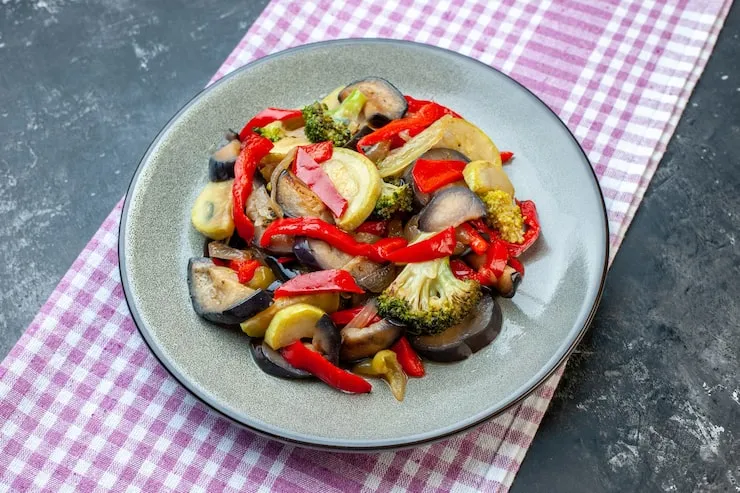
Oil plays an essential part when roasting vegetables. It assists in the transfer of heat through the pan before it reaches the food and lets the exterior turn crispy and golden. If there isn't enough oil, the vegetables could dry out and become burned instead of turning brown.
In the same way excessive oil may cause vegetables to become heavy and greasy. You want a smooth and even layer. Mixing the veggies in the bowl and adding a tiny amount of oil prior to spreading the vegetables on a baking pan typically is the best way to go. If each one shines tiny but it isn't drip-proof, then that you've got the correct amount.
Give Them Space on the Pan
The practice of crowding is among the biggest mistakes made when roasting vegetables. When too many parts are tightly packed it releases moisture that isn't going anywhere. The steam that is trapped makes the entire thing soft. Making use of a big baking sheet spread the vegetables to be spread out in one layer lets heat to reach every item.
If your pan appears full then it's better to utilize two baking sheets instead of just one. A larger space will result in crisper edges, and a more vibrant colour. Consider it as allowing vegetables space to breathe while baking.
Turn Up the Heat
A high temperature is yet another factor for crispness. Roasting works best when it is when temperatures are between 400 and 425 degrees Fahrenheit. This amounts to 200- 220 degrees Celsius. In this hot climate, water can evaporate faster and let the outer surface of the veggies get brown and then crunch.
If your oven is cold, the veggies begin to soften and shrink before ever having an opportunity to get dry. The hot oven produces this delicious roast flavor that many are awestruck by. The oven must be preheated as well. Inserting vegetables in a heated oven will allow them to begin baking immediately, instead of slowly warming.
Use the Right Pan
The pan you cook in can affect how the vegetables cook. An oven-proof baking sheet made of metal is ideal as it heats up and aids in browning the bottoms of the veggies. The darker color of the kissers
will beget them to go brown hastily, while thin bones may break or cook inversely.
The visage's liner with diploma paper makes drawing easier but can reduce the terseness of the repast. Directly riding in the visage generally yields the most crackly result, if the visage is smoothly carpeted to insure that nothing sticks.
Flip Them Halfway Through
Vegetables that have been roasted should not be left in the roaster unattended. When you're half through the cuisine process and riding, it's a good idea to get the visage off and flip the veggies over using an spatula. It helps the sides cook inversely and prevents the one from getting dark, while another remains pale. The flipping process also shifts the veggies about, giving the different areas of the pan an opportunity to make their mark.
Add Seasoning at the Right Time
Salt, pepper and spices help roasting vegetables delicious, however timing is important. The addition of salt prior to roasting is generally fine, and can help enhance the flavors. The herb rosemary and thyme may roast alongside the veggies and get crisp too.
Particularly delicate ingredients such as fresh garlic and soft herbs may burn when heated to high temperatures Therefore, it's best to place them at the close of. So, they will give the flavor they are looking for without becoming bitter. The addition of lemon juice or sprinkle of cheese following roasting makes vegetables more appealing to consume.
Let Them Finish Strong
As soon as the vegetables appear like they're golden and crisp It is tempting to eat them straight immediately. The roasting process taking just one or two minutes longer will increase the flavor and texture However, you must keep an to ensure they don't go to the point of burning.
When you remove them from the oven, letting them rest in the pan for just some time can assist in letting any steam that has escaped. Transferring them onto a platter can hold in moisture, causing it to soften the pan's bottoms.
Practice Makes Perfect
Each roaster is distinct, and each veggie has its own distinct flavor. The carrots and the potatoes need a bit longer cooking time as bell peppers and zucchini are cooked briskly. When you rally further vegetables, the more complete you're suitable to tell the moment they are ready. You'll soon be suitable to fete the sound of smoldering edges, the scent of sugars that have caramelized and the appearance of dark golden tinge that indicates the terseness is near.
A Simple Secret With Big Results
The secret to crispy roasting vegetables lies in using heat and water. Dry them well also cut them in an indeed manner and also smoothly cover them with oil painting, also spread them also rally them in the roaster at a high temperature. also, flip them formerly more, and season precisely, and allow them to cook until they're beautifully brown. By following these easy way riding vegetables can transfigure from dull to fantastic. However, you will know the reason, If they turn out crisp in the surface and soft inside.