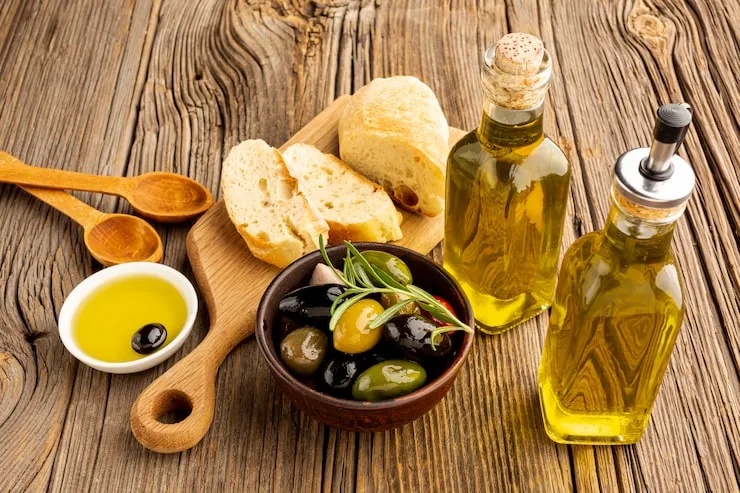
Olive oil is one of the most popular oils in numerous kitchens. It is used to cook their vegetables, pour it over salads, spread bread, and to make delicious sauces. The scent is clean and fresh in the freshest of times, and gives food items an incredibly smooth and rich taste. However, olive oil doesn't remain for long. Much like fruit or milk is prone to spoilage with time. Being able to recognize when olive oil is deteriorating is crucial for flavor as well as health. The great thing is that anybody is able to recognize these signs through a little practicing. This article explains the process in a the most simple manner, meaning that anyone from ten to 11 years old will be able to comprehend the basics.
What Does "Gone Bad" Mean for Olive Oil?
If olive oil becomes deteriorated typically, it turns rancid. The term "rancid" means that the oil has altered due to being exposed to light, air or excessive heat. The elements slowly degrade the beneficial fats contained within the oil. Once this occurs the oil doesn't taste as appealing and goes through a number of health properties.
The wrong olive oil does not normally make someone sick, but it could upset stomachs and mess up the flavor of foods. It is important to examine the quality of your olive oil before you use it in particular if it was stored in the kitchen for an extended period of duration.
Start by Looking at the Bottle
Before you can open the bottle examine the bottle. A lot of olive oil bottles come with an "best before" date printed on the bottle. The date does not constitute an exact rule but it can give a rough indication of the length that oil can last, in the event that it was properly stored. If the date was a quite a while ago, it could have gone bad.
Take note of the place the place where the bottle was stored. Olive oil is not a fan of sunlight or hot places. If it's been stored on the stove, or under bright sunlight on the counter, it will deteriorate more quickly than oil kept in a cool and dark cabinet. If the bottle appears to be dusty and stale and nobody can remember when the bottle was first open, it is a reason to conduct having a thorough inspection.
Open It and Smell Carefully
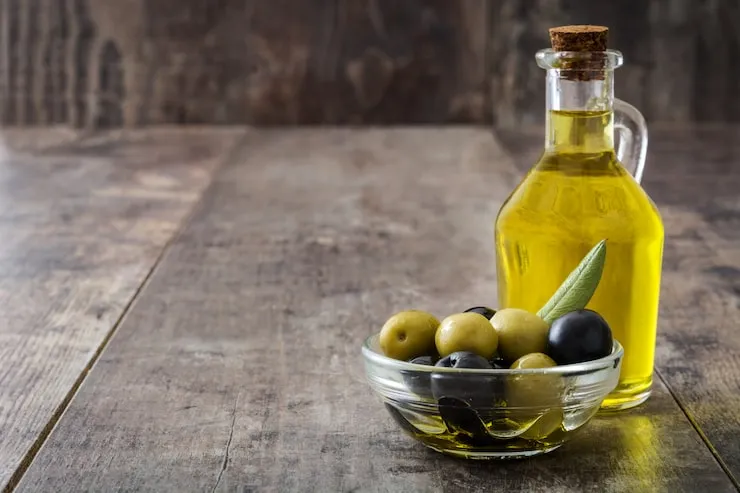
One of the simplest method to detect whether olive oil is going bad is to smell it. Fresh olive oil typically smells fresh and fruity. It can also smell grassy or maybe a touch spiced. Many people claim that it evokes freshly cut leaves or green apples. If olive oil has been spoilt, its smell alters significantly. The smell could remind you of old nuts, crayons and wet cardboard or indeed adulation that has been spoiled.However," take that as a sign, If you start to wrinkle your nose and suppose" That does n't smell right. The presence of a strong, unusual or unpleasant smell is an alarming sign. Be patient with this procedure. Put a small amount of it into a cup or a spoon, and then be sure to smell it carefully rather than sniffing far further away. This makes it much easier to spot odd smells.
Taste a Tiny Drop
If the scent is okay however, you're still in doubt, trying only a small amount could aid. Don't swallow a large teaspoon. You can just apply a tiny drop of oil onto your mouth. A good olive oil is usually fresh and soft. It could be a little spicy or bitter, particularly the best extra-virgin olive oil which is not unusual. Some oils may create slightly scratchy, but and in a positive manner.
The taste of bad olive oil is distinct. It could seem flat, bitter it's waxy or taste make you think of old-fashioned peanuts. It can taste like crayons or cardboard and the scent is similar to that. If the taste is uncomfortable or makes you desire to heave it out the oil painting may have been rotten. Wash your mouth completely with water latterly so that the flavor is not moping.
Check the Color and Texture
It is not an accurate way of judging olive oil painting since fresh olive canvases come in a variety of tones ranging from gold- colored unheroic to deep green. still, examining the oil painting could give useful suggestions. Put some in a clean glass, and then hold it towards the sunlight. If the oil appears thin, cloudy or appears to have strange floating particles in it when it's in room temperatures, it could be off.
There may be a little cloudiness when oil is cold however, it will clear once it is warm. If the oil remains cloudy, and smells foul It is best to not use the oil. You should also be apprehensive of that the oil painting may feel veritably thick or sticky after you apply a small quantum between your fingertips. Olive oil painting that's lately squeezed feels silky and soft, but not sticky.
Think About How It Was Stored
The way olive oil is stored makes a huge differences in how long it can last. Heat, air, and light are the biggest adversaries. Each time a bottle opens, there's air into the bottle, which slows down the process of letting oil go.
When the cap is regularly removed or the bottle isn't seal well, then the oil could spoil more quickly. Glass bottles that are clear let the light in, which could increase the rate of spoilage particularly if they are placed against bright counters. The warm kitchens and the shelves in front of the stove aren't ideal places to store olive oil as well.
If you are aware that the oil was stored in a dark, cool cabinet with the lid securely shut, then it likely stayed more fresh. If not, take extra care when you check the contents.
How Long Does Olive Oil Usually Last?
The olive oil you haven't opened will usually last for two to three years from the moment it was bottle-bottled according to how it was produced and how it is kept. After being opened, the majority of bottles are best enjoyed within the first few months of use typically three to six months.
This doesn't mean that it's going to be worse the next day following that period, but the flavor and quality will gradually fade. The use of older cooking oil in high temperatures is occasionally acceptable if it smells delicious and is tasty, but when it comes to salads, or dips for bread fresh, wholesome oil is superior.
What Happens If You Use Bad Olive Oil?
Consuming a small amount of olive oil that has gone rancid isn't typically dangerous However, it's unwise. It may cause slight stomach pain for some but it also ruins the beneficial qualities the fresh oil of olives is renowned for. Most important is the flavor. oil painting that is n't fresh can beget indeed the most succulent mess to feel strange or taste unwelcome.
This is why cookers as well as homeowners are so concerned to keep their olive oil painting clean. If you're ever uncertain that you're not certain, it's better to dispose of the oil rather instead of risking ruining the food item.
How to Keep Olive Oil Fresh Longer
To help olive oil painting from demeaning in a hurry, keep it in a proper manner. Place your bottle inside a cold and dark area similar as the cupboard or closet down from the cookstove or exposed to the sun. It's important to insure that the cap stays securely shut after each operation to insure that no air will enter the bottle.
Smaller bottles could also assist, since they're more frequently used and less likely to be opened as often. Darker glass and metal bottles will protect your oil from the light better than transparent ones. Take care with olive oil and you will be rewarded with a better taste and longer time.
Trust Your Senses
Most important to keep in mind is that your senses are powerful devices. Examine the oil carefully and smell it with care as well as taste a little drop of it if required. Fresh olive oil is supposed to enhance food and not make it more sour. If it has a smell that resembles crayons, tastes bitter or feels off this is the indication that the oil has been spoiled. Throw it down and also open the bottle again. Chancing out whether olive oil painting is going bad is an easy cuisine skill that will help you save your refections while having a succulent and healthy mess each day.