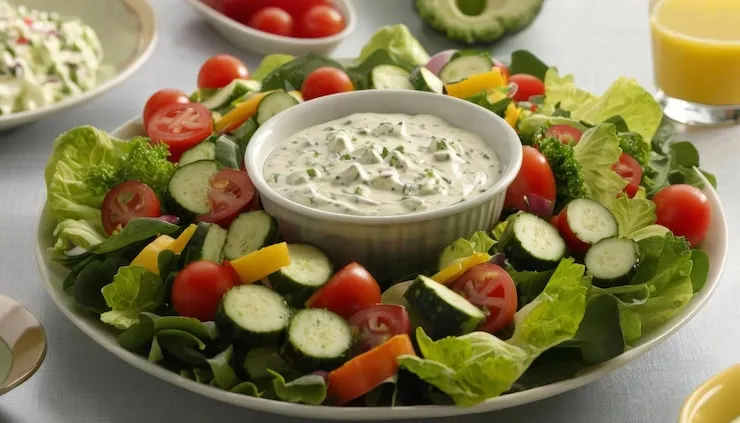
Salad dressings should create a fun salad. They provide flavor, shine and that delicious layer that adheres to lettuce cucumbers, tomatoes, and carrots. Sometimes, however, something is wrong. Instead of being creamy, or smooth, dressing can turn dry and spongy. It sloughs away from the veggies and pool in the base of the bowl, and leaves the salad with a bland taste.
If this ever occurred at home Do not be worried. The problem of salad dressings that are watery is quite common but the best part is that it's typically easy to remedy. This article explains the reason why salad dressings get watery as well as how to make them rich and delicious again, but with a manner that children between ten and eleven can comprehend.
Why Salad Dressings Turn Watery
The majority of salad dressings come of two primary components. A portion is water-based like lemon juice, vinegar or a different liquid. Another part is made up of oil. The two substances don't like being at a constant pace. When you put them in the jar, shake them before letting them be for a while, they'll gradually separate again. The oil rises up to the top while the watery portion is absorbed by the lower part of the.
The separating process is a major reason why dressings appear like water. Another cause is that they don't have enough ingredients that are thick enough to keep everything in place. Certain dressings require things like honey, mustard yogurt, or avocado mashed to make them smooth and even a little thin.
Utilizing too much watery liquid such as extra cider vinegar or juice from citrus could thin the dressing to a great extent. Fresh veggies, like cucumbers or tomatoes blended into dressings, may lose water and cause it to become more runny as time passes.
What Makes a Dressing Thick and Smooth
For a better understanding of the simple fix the easiest fix, you must know what is the reason dressings have a nice appearance in the first place. Thicker dressings typically contain something which acts as glue to hold the oil in place and water. The "glue" is called an Emulsifier. It's the name of a thing which helps two liquids blend and remain mixed.
Kitchen emulsifiers that are commonly found include egg yolks, mustard honey, mayonnaise, honey yogurt, as well as peanut butter. These ingredients bind together water and oil at simultaneously, preventing them from separating over time.
The creamy or fattier ingredients assist in making dressings appear more luxurious. In the event that there is sufficient of them, dressing sticks to the salad rather than falling off.
The Quickest Way to Fix a Watery Dressing
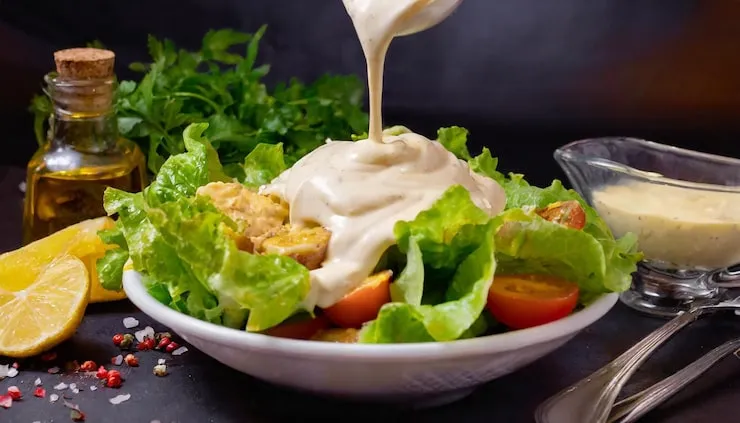
If the dressing appears dry and dull It is usually to whisk it or shake it up again thoroughly. Sometimes, the water and oil simply need to be blended just before serving.
Pouring the dressing in an jar fitted with a lid and vigorously shaking for about 15 seconds will create a huge change. Fastly whisking the dressing in a bowl using the help of a whisk or fork also can be beneficial.
It helps break down the oil into tiny drops and distribute them throughout the watery portion. This method may be temporary however it will create a dressing that is sufficiently thick to make it suitable for use immediately.
Adding Something to Thicken It
If shaking by itself doesn't resolve the issue A little bit of an ingredient that is right for you can aid. A tiny amount of mustard is a great addition in a variety of vinaigrettes. Honey and maple bathos will also prop in thickening the dish and add a hint of agreeableness.
In order to make cottony dressings, mixing into yogurt, sour cream or mayonnaise will make these dressings thicker and lower watery. Mashed avocado is a delightful choice. It thickens dressings and provides them with a silky and green tinge.
Nut flannel, similar as almond or peanut adulation may also be salutary, particularly when dressings have Asian- inspired flavor. Important is to add only a small amount at a moment and blend well. Then, check the consistency before adding any more.
Balancing the Liquids
Occasionally, a dressing can be watery due to redundant ginger, bomb juice or some other liquid, compared to the oil painting. In this situation, adding further oil painting may help in making effects more balanced.
The classic vinaigrette usually makes use of greater amounts of oil than vinegar that makes it appear silky instead of sharp and sluggish.
If the dressing is very acidic and appears watery then slowly adding some oil may solve both issues at the same time. Making this process slow is essential. Too much oil added all at once could make the dressing sticky rather than a well-balanced.
Why Mixing Slowly Can Help
Still, the way you mix it's pivotal, If you're making dressings by hand. The addition of oil painting to the constituents gradationally while mixing helps to blend the constituents more effectively. The result is tiny droplets of oil that remain mixed over a period of time.
If the entire oil is all poured in at once the dressing becomes more difficult to hold everything in place, and dressings can break up fast. Be patient at the beginning will keep you from having to repair an unsatisfactory dressing in the future.
Watching Out for Watery Vegetables
Fresh ingredients may add extra water to salad dressings. Onions, tomatoes, cucumbers and even herbs can all contain water. If they are chopped or mixed and released, they will release water that can make a dressing when it's been sitting for a time.
If you're planning to add them to your dressing, it's a good idea to wipe them dry using the help of a towel or paper towel prior to adding them. just before serving. So, they will not dilute the dish to a great extent.
Keeping Dressings Thick in the Fridge
If dressings are stored in the fridge the dressings tend to separate or become thicker in odd manners. The cold temperatures may cause oil to stiffen up while the fluid parts remain fluid. Prior to using chilled dressing let it rest at the counter period of time before stirring or whisking it a few times results in smoother appearance and texture.
Storage of dressings in a tightly sealed jar is also helpful since you'll be able to shake everything up when it begins to appear like it's getting watery.
Learning by Taste and Touch
The process of removing watery dressings isn't only about appearances. It's also about taste. When you have thickened a dressing, have a tiny bite using an empty spoon. Check if the dressing feels silky on your tongue. It should also coat the spoon rather than running out immediately.
If the flavor is too tart A little bit more honey or oil painting might be suitable to aid. However, a little pepper or swab could help make it more lively, If the taste is dull. Mixing and cooking are both capacities that ameliorate through rehearsing. The more you practice with dressings, and the better you will be able to recognize the things they require.
Turning a Mistake Into a Win
The watery dressing for salads may seem as if it's a mess in the kitchen and may seem like a mess, but in reality it's an issue with simple solutions. Shaking or whisking, adding a little of yogurt or mustard, mixing the ginger and oil painting by mixing them sluggishly, can make a light dressing commodity delicious. When you know how dressings work the way they do, it's easy to stop being frustrated and begin to feel comfortable. rather of throwing the dressing out, you could save it to enhance the taste of your salad. Some of the most valuable kitchen tips are learned from minor mistakes and figuring out how to correct the watery salad dressings is just one of those tips you'll use time and time.