Sugar is everywhere. It is in drinks, desserts, sauces, and baked goods. It is also a major ingredient in global food production. Yet sugar prices and availability change often. Weather, trade rules, health trends, and supply chains all play a role. These changes can confuse businesses and consumers alike.
That is why the idea of a Sugar Volatility Fund is useful. This is not a real financial product. It is a smart way to think about how to manage changes in sweetener prices and supply. It helps food makers, bakers, and buyers stay calm and prepared when the market shifts.
In this blog, we will explain what sugar volatility means, why it happens, and how a Sugar Volatility Fund mindset helps manage sweetener market fluctuations. The language is simple. The sentences are short. The ideas are easy to use.
What Is Sugar Volatility?
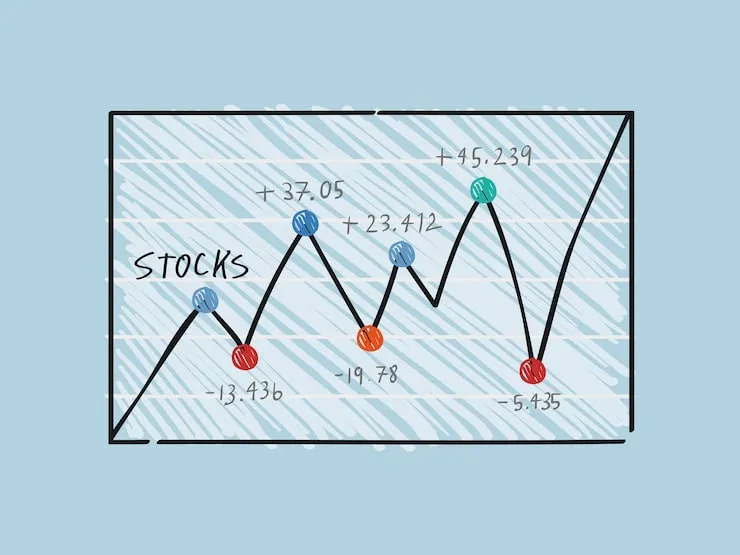
Sugar volatility means frequent changes in sugar prices and supply. Prices can rise fast. They can also fall suddenly. These shifts affect many industries.
Volatility is caused by:
-
Weather problems
-
Crop diseases
-
Trade policies
-
Fuel costs
-
Consumer demand
When sugar becomes expensive or scarce, businesses feel pressure. Planning becomes harder. Costs rise quickly.
What Is a Sugar Volatility Fund?
A Sugar Volatility Fund is a planning strategy. It spreads risk across different sweeteners and suppliers. Instead of relying on one sugar source, you diversify.
This mindset includes:
-
Using multiple sweeteners
-
Sourcing from different suppliers
-
Adjusting recipes when needed
-
Planning ahead for price changes
This approach helps reduce stress when the sugar market changes.
Why Sugar Prices Change So Often?
Sugar is a global commodity. That means it is traded worldwide. Many factors influence its price.
Weather Impact
Sugar comes from sugarcane and sugar beets. Both depend on weather. Floods, droughts, and storms reduce supply. Less supply means higher prices.
Transportation and Fuel Costs
Sugar travels long distances. When fuel prices rise, transport costs increase. These costs are passed on to buyers.
Trade Rules and Taxes
Tariffs and trade limits affect imports and exports. A small policy change can affect prices quickly.
Health Trends
When people reduce sugar intake, demand changes. At the same time, demand for alternatives increases. This shifts the market.
How Volatility Affects Businesses?
Sugar volatility hits businesses in many ways.
Effects include:
-
Higher ingredient costs
-
Reduced profit margins
-
Recipe changes
-
Pricing pressure
Small businesses feel it most. They have less room to absorb sudden cost increases. A Sugar Volatility Fund mindset helps them stay flexible.
Diversification Is the Core Strategy
Diversification reduces risk. It works in finance. It works in food.
In sweeteners, diversification means:
-
Using cane sugar and beet sugar
-
Exploring honey or maple syrup
-
Testing stevia or monk fruit
-
Adjusting sweetness levels
No single sweetener controls your outcome. That is the strength of this approach.
Understanding Alternative Sweeteners
Alternative sweeteners help balance sugar risk. Each has strengths and limits.
Honey
-
Natural
-
Adds flavor
-
Price can also fluctuate
Maple Syrup
-
Rich taste
-
Seasonal supply
-
Higher cost
Stevia
-
Very sweet
-
Used in small amounts
-
Taste varies
Monk Fruit
-
Natural
-
No calories
-
Often blended
Using several options supports the Sugar Volatility Fund idea.
Recipe Flexibility Matters
Rigid recipes increase risk. Flexible recipes reduce it.
Smart recipe planning includes:
-
Adjustable sweetness levels
-
Blends of sweeteners
-
Testing alternatives in advance
When sugar prices rise, you already have options ready.
Supplier Diversification Reduces Risk
Relying on one supplier is risky. A delay or price increase affects everything.
A better approach:
-
Work with multiple suppliers
-
Source locally when possible
-
Monitor supplier reliability
This strategy is part of managing sweetener market fluctuations.
Forecasting and Planning Ahead
Good planning reduces surprise. Tracking trends helps.
Helpful actions:
-
Watch commodity reports
-
Track past price patterns
-
Build small reserves
Even basic awareness improves decision-making.
Cost Control Through Portion Awareness
Sweetness does not always need more sugar. Sometimes it needs balance.
Ways to reduce sugar use:
-
Enhance flavor with spices
-
Use acids like citrus
-
Adjust texture and temperature
These changes reduce dependence on sugar without harming taste.
Consumer Communication Is Important
Price changes affect customers. Clear communication builds trust.
Helpful steps:
-
Explain ingredient changes
-
Highlight quality and care
-
Be transparent about pricing
Honesty reduces frustration and builds loyalty.
Sustainability and Sugar Volatility
Sustainable farming affects supply stability. Ethical sourcing supports long-term balance.
Benefits include:
-
More stable crops
-
Better soil health
-
Long-term supplier relationships
Sustainability supports the goals of a Sugar Volatility Fund.
Managing Volatility for Home Bakers
Home bakers feel sugar changes too. Prices affect grocery bills.
Helpful tips:
-
Buy sugar in bulk when prices are low
-
Store properly to avoid waste
-
Experiment with alternative sweeteners
These steps help households adapt easily.
Technology and the Sugar Market
Technology helps track and manage volatility.
Examples include:
-
Market tracking tools
-
Inventory software
-
Recipe scaling systems
Even small businesses can use simple tools to stay informed.
Why the Sugar Volatility Fund Mindset Works?
This mindset works because it focuses on control. You cannot control the market. You can control your response.
It helps by:
-
Reducing dependence on one ingredient
-
Increasing flexibility
-
Improving confidence
Prepared businesses handle change better.
Common Mistakes to Avoid
Avoid these common errors:
-
Ignoring market trends
-
Overreacting to short-term changes
-
Switching sweeteners without testing
Balance and planning matter more than quick reactions.
Teaching Teams About Volatility
Teams should understand why changes happen.
Training helps:
-
Reduce resistance to change
-
Improve creativity
-
Support teamwork
Knowledge builds confidence at every level.
Long-Term Benefits of Smart Planning
Over time, this strategy pays off.
Benefits include:
-
Stable costs
-
Fewer surprises
-
Stronger supplier relationships
This is the long-term value of a Sugar Volatility Fund approach.
Real-World Examples
Many food companies already do this:
-
Soda brands adjust formulas
-
Bakeries blend sweeteners
-
Snack companies reduce sugar levels
They adapt quietly and successfully.
Final Thoughts
Sugar volatility is real. It affects everyone from farmers to families. Prices rise and fall. Supply shifts. Trends change.
The Sugar Volatility Fund is a simple and smart way to manage these changes. It encourages diversification, flexibility, and planning. It reduces stress and protects quality.
By understanding sweetener market fluctuations and preparing for them, you stay in control. You make better decisions. You protect your business or home kitchen.
In a changing world, flexibility is the sweetest advantage of all.